Sankhu Mahadev Temple Restoration
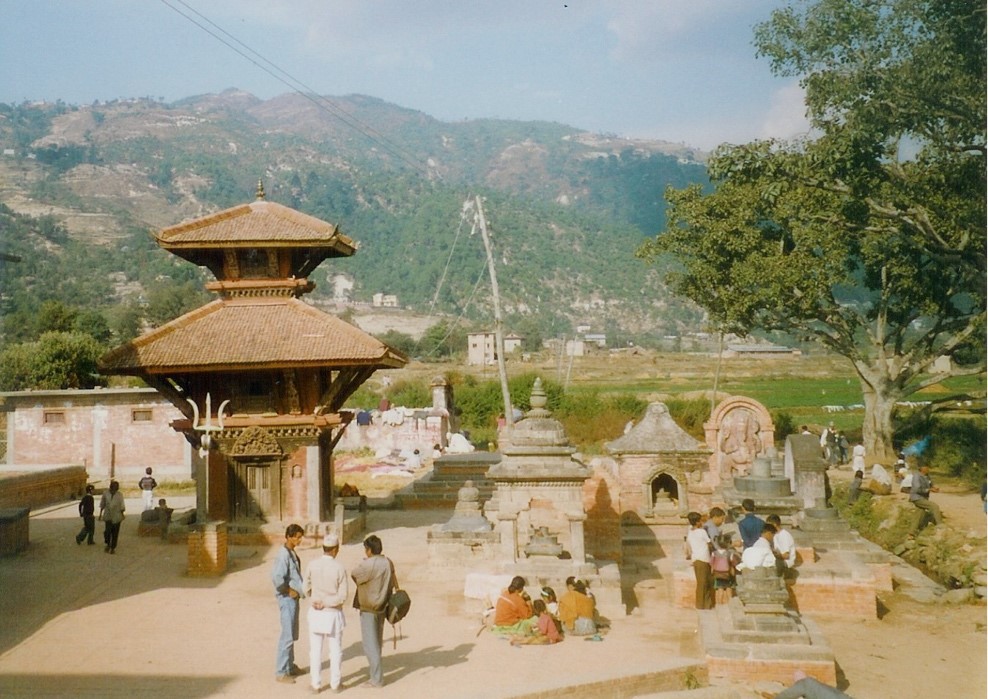
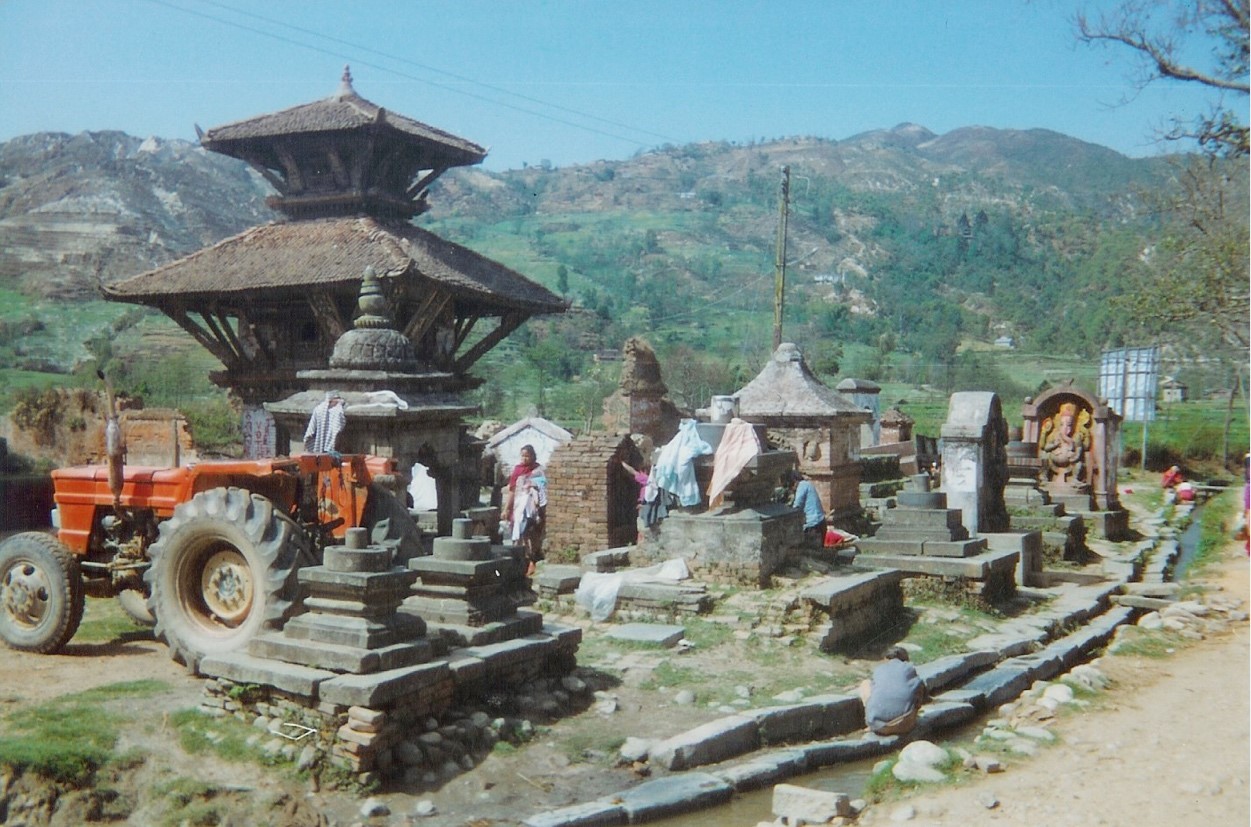
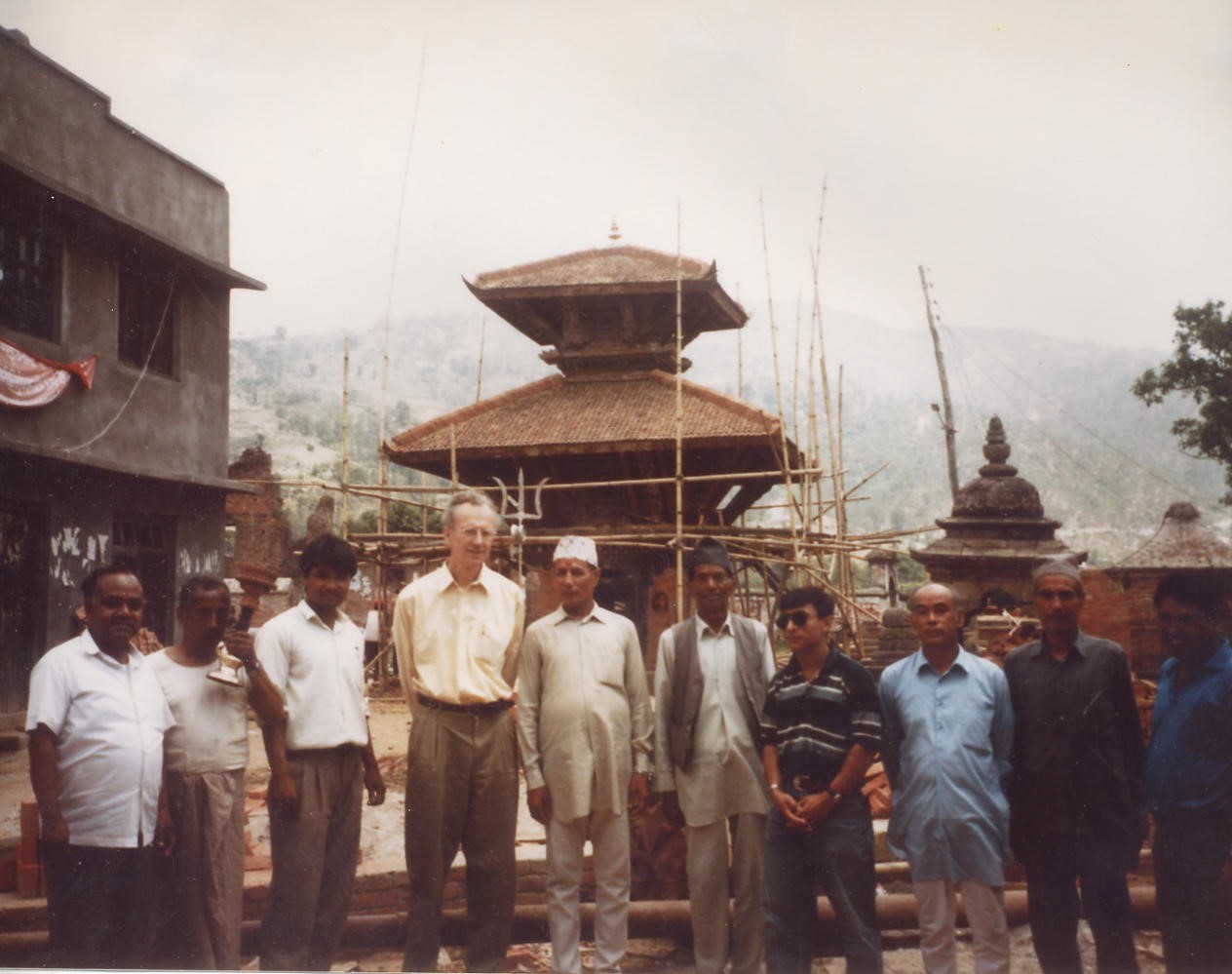
The Mahadevadhvaka Square, with the Mahadev temple and its Shiva shrine (phallus), holy pond, and numerous shrines of other deities, is one of the most sacred religious sites in Sankhu. The main shrine of Shiva is Jocated in the middle of the ground floor of a two-storied temple. This shrine is also known as Jyotirlingesvara, the self-emanated light of Shiva A small water river, which runs close to the temple, is also considered a holy place for religious people Several inscriptions are scattered around the Mahadeva Temple Square The oldest inscription found at the Mahadeva Square dates back to 1599 CE. An inscription dated 1635 CE shows that the construction of the Jyotirlingesvara temple was completed and a golden water jar (kalasa) was offered to it on the fourth day of the bright half of Baisakha However, it was not clearly mentioned in the inscription whether the temple was constructed for the first time or was only reconstructed or renovated The two-roofed Mahadeva temple is a magnificent example of a Newar pagoda-style temple. Its roofs are made of traditional tiles called ayapa and its walls are built with traditional bricks called dachiapa. The temple has a square shape and is surrounded by four walls. On the ground floor, it has four wooden doors facing toward the four main directions above each door is placed a semi-circled wooden tympanum decorated with various figures. Only the gate facing south is opened as the entrance to the temple for the public, while the other three gates remain closed Inside the temple, at the centre of the ground floor a stone phallus (linga) is seen attached to a female organ (yoni).
Devotees in Sankhu worship the shrine by offering water, flowers colored powders vegetables and other items Wooden frames ang woden struts support the diagonally attached roofs of the temple. A special kind of hole (ayapa) is used on the roofs to protect it from the rain Wooden struts are connected to the temple walls and roofs. They anne carved with various religious images Twelve wooden struts are attached to support the first roof from the ground. On each corner there a strut with an animal figure The eight struts placed at the centre of the walls depict Bhairava, the god of death, in eight different mood Known as eight Bhairava (Astabhairava). Bhairava is also considered to be one of the forms of Shiva himself. At the bottom of each of these struts, images of copulating human couples are depicted. Such erotic symbols on temples are common in Nepal, especially on Shiva temples Some people believe that such symbols are carved to protect the temple from lightning while others believe that they carry tantric value (Majupuria 1980-81). There are still others who believe that the erotic an is meant to educate people about sex Below the roof, in the middle of each wall a wooden window is attached. The top roof and walls are smaller in size but similar in structure, and the wooden struts are decorated with different figures. On the top of the temple, a brass
Pinnacle is fixed In addition to the temple of Mahadev there are numerous other statues around the Mahadeva square, such as a life size Ganesa, Visnu together with his consorts, Laksmi and Sarasvati, Bhimsen, sleeping Visn (Bhuiſasinarayan), Radha and Krishna, Satyanarayana, Triratna, Minaga Stalaraju. Caturmukhi Siva, a small stone temple of Shiva, Camunda with a troupe of Astaratrka considered to be one of the eight matrika inside the town, Shiva-Parvati and several other scattered shrines of Shiva: Besides the main temple with its Shiva shrine, there are at least fourteen other stone shrines of Shiva scattered around this square Mahadeva pond is another sacred spot in this square.